Introduction
If you've noticed your hair breaking more easily, your nails splitting and peeling, or both becoming noticeably weaker, you may be experiencing keratin deficiency symptoms. Keratin is a structural protein that makes up the foundation of your hair, skin, and nails—and when your body doesn't have enough of it, these tissues suffer visibly. For adults over 40, this problem becomes increasingly common as natural keratin production declines and nutrient absorption slows down. Understanding what keratin does, why deficiencies happen, and how to address them can help you restore the strength and appearance of your hair and nails. This guide explores the science behind keratin deficiency, the warning signs to watch for, and practical steps you can take to replenish this vital protein.
What Is Keratin and Why Does Your Body Need It
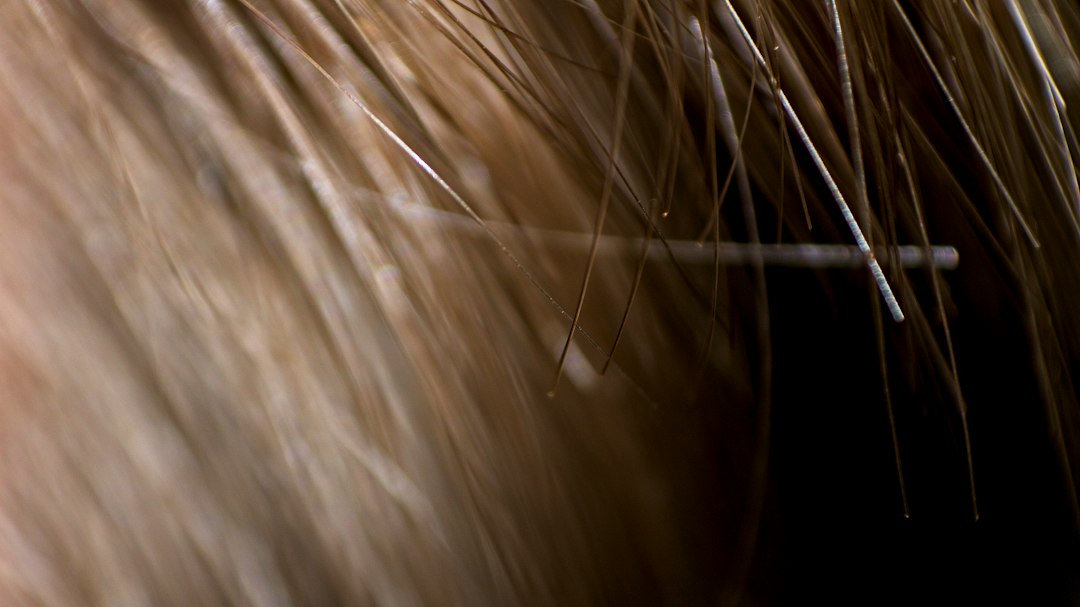
Keratin is a tough, insoluble protein that your body produces naturally. It serves as the primary structural component of your hair, outer layer of skin, and nails. Think of it as the scaffolding that gives these tissues their strength, elasticity, and resilience. Your hair strands are roughly 95% keratin, which is why this protein is so critical for hair health. Without adequate keratin, hair becomes brittle, prone to breakage, and loses its natural shine.
Beyond hair, keratin also appears in the outer layers of your skin and forms the hard protective layer of your nails. As we age, our bodies naturally produce less keratin. A 2019 study published in Dermatology and Therapy found that keratin production begins to decline noticeably in our 30s and 40s, accelerating further in later decades. This is one reason why aging hair and nails often become thinner, more fragile, and slower to grow. Your body also requires specific amino acids and micronutrients to synthesize new keratin, so deficiencies in those nutrients can compound the problem. When keratin production drops or your body can't make it efficiently, keratin deficiency symptoms begin to show up in visible, frustrating ways.
Common Causes of Keratin Deficiency
Several factors can lead to inadequate keratin levels or impaired keratin synthesis. The most common cause is nutritional deficiency. Keratin is made from amino acids—particularly cysteine, methionine, and proline—along with cofactors like biotin, zinc, iron, and B vitamins. If your diet lacks protein or these specific micronutrients, your body simply cannot produce enough keratin to maintain healthy hair, skin, and nails. Many adults over 40 consume less protein than they need, especially if they've adopted restrictive diets or struggle with appetite changes.
Age-related decline is another major factor. As mentioned, keratin production naturally decreases with time. Additionally, hormonal changes—particularly in women approaching or in menopause—can affect hair and nail strength. Estrogen and other hormones influence hair growth cycles and keratin production, so hormonal shifts can accelerate deficiency symptoms.
Chronic stress, poor sleep, and certain medications can also interfere with nutrient absorption and protein synthesis. Digestive conditions like celiac disease, irritable bowel syndrome, or chronic inflammation reduce your ability to absorb the amino acids and vitamins needed for keratin production. Environmental damage compounds the problem: excessive heat styling, chemical treatments, sun exposure, and harsh weather all break down existing keratin faster than your body can replace it. Finally, smoking and excessive alcohol consumption impair nutrient absorption and increase oxidative stress, accelerating keratin breakdown.
Recognizing Keratin Deficiency Symptoms in Hair and Nails
The most obvious sign of keratin deficiency is hair that breaks easily. You might notice more hair strands falling out during shampooing, more breakage near the ends, or difficulty growing your hair past a certain length. Your hair may feel dry, straw-like, and difficult to style, even after conditioning. Hair that once held a curl or color may no longer do so. Some people describe keratin-deficient hair as dull, lifeless, and prone to frizz no matter what products they use.
Nail symptoms are equally telling. Nails become soft and bend easily instead of snapping cleanly. They split lengthwise, peel in layers, or develop ridges and grooves. Growth slows noticeably, and nails may become discolored or develop white spots. Some people with significant keratin deficiency symptoms find that their nails break at the slightest pressure or simply fall apart when exposed to water for prolonged periods.
Skin texture can also deteriorate—you might notice increased dryness, rough patches, or a loss of elasticity. Your skin may bruise more easily or heal from minor cuts and scrapes more slowly. While less visible than hair and nail changes, these skin symptoms reflect the same underlying keratin insufficiency. The severity varies based on the degree of deficiency and individual factors, but most people notice multiple symptoms simultaneously. If you're experiencing these signs, they're worth taking seriously rather than dismissing as inevitable parts of aging.
How Keratin Deficiency Affects Your Daily Life
Living with weak, breaking hair and nails is more than a cosmetic issue—it genuinely impacts quality of life. Many adults report feeling less confident about their appearance, avoiding social situations, or spending significant money trying different products hoping for improvement. Styling becomes a source of frustration when your hair won't cooperate, breaks during brushing, or refuses to hold styles you once enjoyed.
Brittle nails create practical challenges too. Simple tasks like buttoning small buttons, typing, or opening packages become difficult or painful if your nails are soft and splitting. Some people have to keep their nails very short because they can't grow them without breaking. This represents a loss of personal choice and expression that many find surprisingly distressing.
The financial toll can be substantial. People with these symptoms often spend money on expensive hair treatments, nail treatments, supplements, and salon services trying to fix the problem. Many try product after product with disappointing results because they're not addressing the root cause—the underlying keratin deficiency itself. The emotional weight of struggling with appearance changes, combined with the practical limitations and financial burden, makes addressing keratin deficiency symptoms worthwhile as a health priority, not merely a vanity concern.
Natural Approaches and Lifestyle Changes
Before turning to supplements, several lifestyle modifications can meaningfully improve keratin levels and hair and nail health. The first and most impactful step is reducing unnecessary damage to your hair and nails. This means minimizing heat styling—air dry when possible, use lower heat settings, and always apply heat protectant products. Chemical treatments like perms, relaxers, and frequent coloring strip away keratin, so spacing out these treatments or choosing gentler alternatives helps preserve what you have. Similarly, harsh nail practices damage keratin; keep nails at moderate length, avoid gel and acrylic applications that require aggressive removal, and wear gloves when cleaning or doing dishes.
Sleep quality directly influences keratin production and overall protein synthesis. Aim for 7-9 hours nightly, as this is when your body does most of its tissue repair and growth. Chronic sleep deprivation slows healing and reduces nutrient utilization efficiency. Stress management is equally important—chronic stress elevates cortisol, which impairs nutrient absorption and accelerates hair loss. Regular exercise, meditation, yoga, or time in nature all help reduce stress and improve circulation, which enhances nutrient delivery to hair follicles and nail beds.
Hydration deserves mention too. Dehydration affects skin elasticity and can worsen brittle nails and dry hair. Drinking adequate water—generally half your body weight in ounces daily—supports all cellular functions including keratin production. Sun protection for your scalp and hair prevents UV damage that breaks down keratin. Finally, avoid smoking and limit alcohol, as both interfere with nutrient absorption and accelerate tissue breakdown. These foundational changes alone can produce noticeable improvements over 8-12 weeks.
Nutritional Factors and Dietary Approaches
Since keratin is made from protein and requires specific micronutrients, your diet is fundamental to addressing deficiency. Ensure you're consuming adequate high-quality protein—aim for 0.8 to 1.0 grams per pound of body weight daily, which may require deliberate planning for adults over 40 who tend to undereat protein. Excellent sources include fish, poultry, eggs, Greek yogurt, cottage cheese, legumes, and nuts. Each protein source contains amino acids your body breaks down and reassembles into keratin and other tissues.
Biotin (B7) is particularly crucial for keratin synthesis. A 2015 study in Skin Appendage Disorders found that biotin supplementation significantly improved nail thickness and reduced splitting in people with brittle nails. Food sources include eggs, almonds, sweet potatoes, and salmon. Zinc is another critical cofactor for keratin production and immune function; include oysters, beef, pumpkin seeds, and chickpeas. Iron carries oxygen to hair follicles and supports protein synthesis—red meat, spinach, lentils, and fortified cereals provide iron.
B vitamins support energy production and nutrient metabolism required for keratin synthesis. Vitamin B12, folate, and B6 are particularly important. These are abundant in animal products (B12), leafy greens (folate), and chicken, bananas, and chickpeas (B6). Vitamin C is essential for collagen formation and supports hair structure; citrus fruits, berries, and bell peppers are excellent sources. Vitamin E and selenium act as antioxidants, protecting keratin from oxidative damage. This is why many adults turn to targeted formulations—one such option is Kerafen, which combines these key nutrients in one supplement designed to address the nutritional foundations of hair and nail health.
If you can't consistently meet these nutrient needs through diet alone—which is common for busy adults over 40—targeted supplementation fills the gaps. A multivitamin, biotin supplement, and omega-3 supplement can provide meaningful support. Collagen peptides are also worth considering, as they provide amino acids your body can use for keratin synthesis.
Frequently Asked Questions
How long does it take to see improvement in keratin deficiency symptoms?
Hair and nails grow slowly, so visible improvement typically takes 8-12 weeks of consistent nutrition and lifestyle changes. Hair grows roughly half an inch monthly, so you'll need at least 2-3 months to see healthier new growth. Nails grow slightly faster, showing improvement in 6-8 weeks. Be patient and consistent—reversing deficiency is a gradual process.
Can keratin deficiency cause hair loss beyond normal shedding?
Significant keratin deficiency can contribute to increased shedding and slower regrowth, though complete hair loss usually involves other factors like hormonal changes or medical conditions. If you're experiencing unusual hair loss alongside breaking and brittleness, consult a dermatologist to rule out underlying health issues. Addressing keratin deficiency is part of the solution but may not be the entire answer.
Are keratin shampoos and conditioners effective for deficiency?
Topical keratin products provide temporary coating and smoothing benefits but don't address the root cause of deficiency. Your body needs to synthesize keratin internally. While good hair care products help preserve existing keratin and prevent damage, they can't replace the nutritional support your body needs to produce new keratin. Combine topical care with internal nutritional support for best results.
Next Steps and Finding Your Solution
Dealing with brittle hair and nails can be incredibly frustrating, especially when you've tried countless products without real improvement. The good news is that addressing the nutritional foundation often produces meaningful results. Kerafen is formulated specifically around the nutrients discussed in this article—biotin, zinc, amino acids, and B vitamins that support keratin production. Visit our full breakdown to see if this approach fits your situation and learn more about the science behind these ingredients.