Introduction
If you've noticed your nails breaking, splitting, or peeling more easily than they used to, you're not alone. Brittle nails are one of the most common complaints among adults over 40, yet many people don't understand why their nails have suddenly become so fragile. The truth is that nail health is deeply connected to your overall physiology—your diet, hydration, age, and even your daily habits all play significant roles in determining whether your nails remain strong or become prone to damage. Understanding why do nails break and split easily is the first step toward addressing the problem effectively. This article explores the science behind brittle nails, the factors that contribute to their development, and the practical strategies you can use to restore strength and resilience to your nails.
The Biology of Nail Structure and Why Nails Become Brittle
To understand why your nails break and split, it helps to first understand what healthy nails are made of. Nails are composed primarily of a protein called keratin, along with moisture, lipids, and trace minerals like zinc, iron, and magnesium. The nail plate itself is layered—it consists of multiple sheets of keratin that overlap and bond together. When these bonds remain strong and the nail contains adequate moisture, nails bend without breaking. However, when nails lose moisture or when keratin production decreases, the layers begin to separate and weaken.
As we age, the body's natural ability to produce keratin and maintain optimal hydration in the nail plate diminishes. A 2019 study published in the Journal of Cosmetic Dermatology found that the water content of nails decreases with age, making them significantly more susceptible to dehydration and splitting. Additionally, the nail matrix—the tissue beneath the nail that produces new keratin—becomes less efficient over time. Environmental factors compound this problem: repeated exposure to water, harsh chemicals, and temperature fluctuations can strip moisture from nails and damage the delicate keratin structure. The repetitive stress of daily activities, from typing to washing dishes, creates microscopic fractures that accumulate over time. When multiple risk factors combine, brittle nails develop quickly and become difficult to reverse without targeted intervention.
Common Causes Behind Brittle and Splitting Nails
While aging is a natural factor, several specific causes drive nail brittleness in adults. Nutritional deficiencies are among the most common culprits. Insufficient biotin (vitamin B7) is particularly linked to weak, splitting nails—research from the International Journal of Dermatology demonstrated that biotin supplementation significantly improved nail thickness and hardness in people with brittle nails. Iron deficiency, vitamin B12 deficiency, and low levels of zinc can all impair keratin production and nail growth. Protein insufficiency is another overlooked cause; since nails are made largely of keratin protein, inadequate dietary protein directly undermines nail structure.
Hydration and moisture loss represent another critical factor. Nails lose moisture through evaporation, particularly when exposed to frequent hand washing, chlorine, or harsh soaps. Thyroid disorders, which are common in women over 40, can also trigger brittle nails by disrupting mineral and protein metabolism. Frequent manicures, gel polish applications, and the use of acetone-based nail polish removers are environmental stressors that damage the nail plate. Some medications, including chemotherapy drugs and antiretroviral medications, list brittle nails as a side effect. Additionally, chronic health conditions like anemia, hypothyroidism, and autoimmune disorders can manifest through weakened nails, making them a potential early warning sign of systemic health issues.
Signs and Symptoms: Recognizing Brittle Nails Early
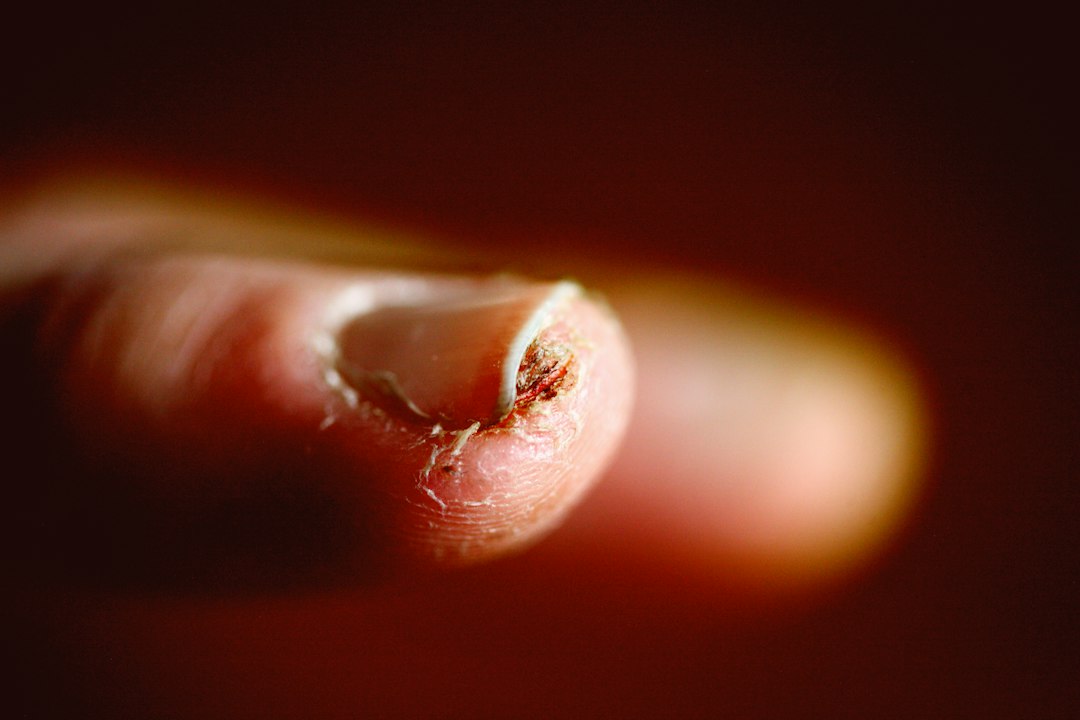
Brittle nails present with several distinct characteristics that make them easy to recognize. The most obvious sign is visible splitting or peeling of the nail layers, often occurring at the free edge (the part that extends beyond your fingertip). Many people notice horizontal splits that resemble tiny laminations, where the layers of the nail plate literally peel apart. Vertical ridges or lines running lengthwise down the nail are also common, especially as we age. Your nails may feel thinner than they once were and may bend or fold easily when pressure is applied, rather than remaining rigid.
Brittleness often accompanies other texture changes. Nails may become dull or lose their natural shine, appearing lackluster compared to how they looked years ago. Some people experience increased breakage around the edges—nails snap off at irregular lengths rather than maintaining a clean line. A key distinction exists between brittle nails caused by dryness (which tend to split vertically at the edges) and those caused by nutritional deficiency (which often show horizontal splitting or brittleness throughout the entire nail). If you notice your nails breaking and splitting consistently across all ten nails, or if the problem began suddenly rather than gradually, this suggests a systemic cause like nutritional deficiency or a new medication rather than environmental damage alone. Pay attention to whether the brittleness affects only the nails on your dominant hand (suggesting mechanical stress) or all nails equally (suggesting internal factors).
The Impact of Brittle Nails on Daily Life and Well-Being
While brittle nails might seem like a cosmetic concern, they significantly affect quality of life for many people. Broken nails are painful—the nail bed is sensitive and densely innervated with nerve endings. Breaks that extend below the protective nail plate can cause sharp discomfort, inflammation, and even infection if bacteria enter the exposed area. Beyond physical pain, many adults report frustration and embarrassment about their appearance, particularly since hands are so visible during social interactions and professional settings.
Practical activities become challenging when nails are weak. Typing may cause nails to catch or break, making work stressful. Gardening, playing musical instruments, or engaging in hobbies that require manual dexterity become difficult or impossible. Caring for aging parents or grandchildren requires gentle touch, which is harder to maintain when you're worried about your nails breaking. The psychological impact shouldn't be minimized either—many people report reduced confidence and self-consciousness about their hands. For some, brittle nails serve as a visible reminder of aging or a sign that something is wrong with their health, creating anxiety beyond the physical symptoms. Taking action to restore nail health often has benefits that extend far beyond cosmetic improvement, positively affecting mood, confidence, and the ability to enjoy normal activities without limitation or worry.
Natural Approaches and Lifestyle Strategies for Stronger Nails
Protecting your nails from environmental damage is the first practical step. Minimize exposure to water, particularly prolonged soaking—when your nails are wet, they absorb water and swell, and when they dry, they shrink and become prone to cracking. Wear cotton-lined gloves when washing dishes, cleaning, or working with water. Use mild, fragrance-free soaps rather than harsh antibacterial formulations that strip natural oils from the nail and skin. When you do manicures, use non-acetone nail polish removers, or better yet, allow your nails occasional breaks from polish entirely.
Moisturizing the nails and cuticles daily is essential. Apply a dedicated nail oil or hand cream immediately after washing hands, while the skin is still slightly damp—this helps lock in moisture. Avoid cutting nails too short; shorter nails are more prone to breaking. File nails rather than clipping them when possible, and file in one direction only (not back-and-forth sawing motions) to prevent splitting. Keep nails at a moderate length with slightly rounded edges, which are less likely to snag and break than sharp square edges or very long nails. Avoid using your nails as tools to open cans, scrape labels, or dig at objects.
Hydration at the systemic level matters too. Drink adequate water daily—the commonly cited recommendation of eight glasses per day is a reasonable baseline, though individual needs vary. Proper hydration helps maintain moisture content throughout your body, including in the nail plate. Consider adding a humidifier to your bedroom or workspace if you live in a dry climate, as environmental humidity affects how quickly nails lose moisture. Manage stress through regular exercise, meditation, or other relaxation practices, since chronic stress can impair nutrient absorption and exacerbate nutritional deficiencies that contribute to brittle nails.
The Role of Nutrition and Key Nutrients for Nail Health
Diet directly influences nail strength because nails are made of protein and require specific micronutrients to grow and maintain structure. Biotin is the most well-researched nutrient for nail health. Multiple clinical trials have shown that biotin supplementation (typically 2.5 mg daily) increases nail thickness and reduces splitting in people with brittle nails. A landmark study in the Journal of the American Academy of Dermatology found that 63% of people taking biotin showed significant improvement in nail brittleness. Biotin is found in eggs, almonds, sweet potatoes, and salmon, but biotin-rich foods may not provide therapeutic amounts if your nails are already severely compromised.
Iron is equally critical—iron deficiency causes nails to become thin, brittle, and sometimes spoon-shaped (a condition called koilonychia). Women over 40 should have iron levels checked, particularly if they experience heavy menstrual bleeding or digestive issues that impair nutrient absorption. Red meat, spinach, and fortified cereals are good dietary iron sources, though iron from animal sources (heme iron) is absorbed more efficiently than plant-based iron. Zinc supports keratin production and wound healing; low zinc levels are associated with brittle, ridged nails. Oysters, beef, pumpkin seeds, and chickpeas are zinc-rich foods. Vitamin B12 and folate (vitamin B9) are essential for cell division and keratin synthesis; deficiencies in these vitamins can cause nails to become weak and discolored. Vitamin B12 is primarily found in animal products, making it a potential concern for vegetarians or vegans.
Adequate protein intake is foundational since keratin is a protein. Adults should aim for approximately 0.8 grams of protein per kilogram of body weight daily, though some research suggests older adults benefit from slightly higher protein intake (1.0-1.2 g/kg). Include a variety of protein sources: poultry, fish, legumes, Greek yogurt, and nuts. Silica, a mineral found in whole grains, green beans, and mineral water, plays a role in collagen and keratin cross-linking and has shown promise in small studies for improving nail health. Finally, maintaining adequate omega-3 fatty acids through fish, walnuts, or flaxseeds supports the lipid content of nails and helps them retain moisture. This is why many adults turn to targeted nail support formulas—Kerafen is designed to combine biotin, B-vitamins, and minerals specifically targeted at supporting keratin production and nail strength. Working with a healthcare provider to identify any specific nutritional gaps through blood work is the most effective approach, allowing you to address deficiencies directly rather than guessing.
Frequently Asked Questions
Q: How long does it take for nails to become strong again after addressing brittle nail causes?
A: Patience is necessary—nails grow slowly, approximately 3-4 millimeters per month. Since brittle nails are damaged, you won't see improvement until new, healthy nail grows in from the matrix beneath the cuticle. Most people notice visible improvement within 3-6 months of consistent nutritional supplementation and protective nail care. Complete transformation of severely brittle nails often takes 6-12 months. This is why maintaining consistent habits, even when you don't immediately see results, is crucial.
Q: Can brittle nails indicate a serious health condition?
A: While usually brittle nails result from nutritional deficiency or environmental damage, they can signal underlying health issues. Sudden changes in nail texture, particularly if accompanied by discoloration, pain, or changes in nail shape, warrant medical evaluation. Conditions like thyroid disorders, anemia, liver disease, and certain autoimmune conditions can manifest through nail changes. If your brittle nails began suddenly or worsened despite protective care and dietary improvements, consult a healthcare provider to rule out systemic causes.
Q: Are gel manicures and acrylic nails safe if I have brittle nails?
A: Gel and acrylic products can further damage already-brittle nails because the removal process involves chemical solvents and mechanical scraping that traumatize the weakened nail plate. If you have brittle nails, take a break from gel and acrylic applications until your nails recover. Focus on allowing new, healthy nail to grow in unobstructed. Once nails are visibly stronger, occasional gel manicures are likely safe, but frequent applications continue to pose risk for brittle-nail sufferers.
Moving Forward with Nail Health
Understanding why do nails break and split easily empowers you to take targeted action. Brittle nails result from a combination of factors—aging, nutritional deficiency, environmental stress, and lifestyle habits—all of which are addressable. By protecting your nails from damage, staying hydrated, ensuring adequate nutrient intake (particularly biotin, iron, B vitamins, and protein), and giving new healthy nail time to grow, you can restore strength and appearance over the coming months. Pay attention to your nails as indicators of overall health; they often reflect what's happening internally. If lifestyle changes and nutritional attention don't produce improvement within 3-6 months, consult a dermatologist or healthcare provider to investigate potential underlying causes.
Dealing with brittle, splitting nails can be frustrating, especially when basic care improvements aren't enough. Kerafen is a supplement specifically formulated with the key nutrients discussed throughout this article—biotin, B-vitamins, minerals, and supporting ingredients. Visit the site to learn more about the formula and see if it aligns with your nail health goals.